
Iron Ore Trading in the Middle East: 6 Proven Strategies to Secure the Best Deals in 2025
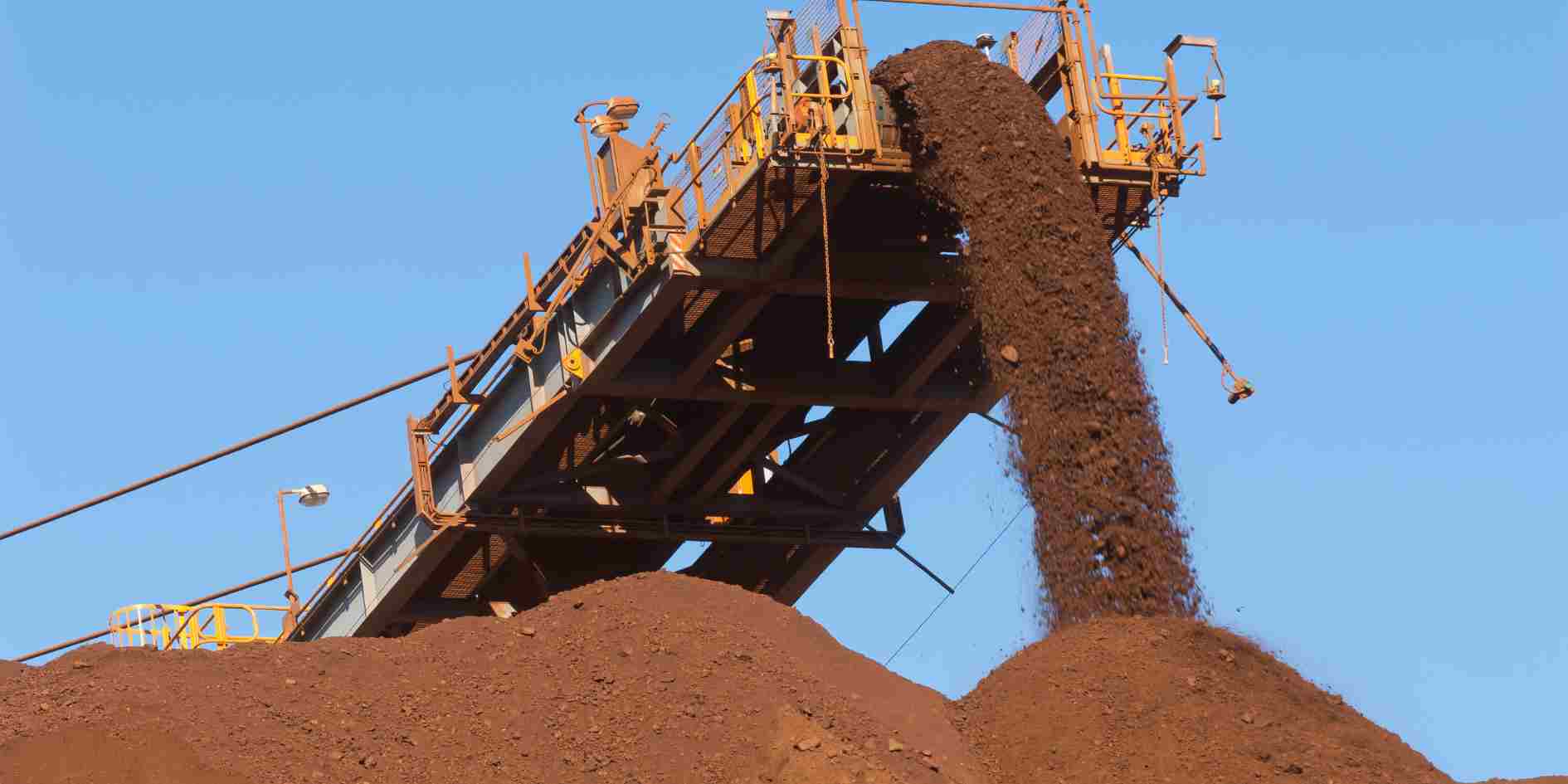
Iron ore is the foundational raw material of the global steel industry. Every tonne of steel begins its journey as iron ore — mined, processed, reduced, and then transformed into the structural material that shapes our world’s buildings, bridges, vehicles, and infrastructure.
For steel manufacturers in the Middle East, South Asia, and Africa, securing a reliable, competitively priced supply of iron ore is a constant strategic challenge. Unlike steel products, iron ore procurement involves navigating complex freight logistics, grade variability, and market cycles driven primarily by Chinese demand.
In this article, we share six actionable strategies that experienced iron ore buyers use to achieve better pricing, reduce supply risk, and maintain quality consistency — drawing on practical market insights from Dubai’s commodity trading community.
Table of Contents
- Understanding Iron Ore Grades and What You Actually Need
- The Key Pricing Benchmarks You Must Track
- How to Evaluate Origins: Australia vs Brazil vs India
- Spot vs Term Contracts — Getting the Balance Right
- Managing Quality Risk with Proper Inspection
- Using a Dubai-Based Trader as Your Strategic Sourcing Partner
1. Understanding Iron Ore Grades and What You Actually Need
Iron ore is traded in several forms, each with different iron content levels and applications:
- Iron Ore Fines (IOF): Fine particles (below 6mm), primarily used in sintering plants at integrated steel mills. Fe content typically ranges from 58% to 65%.
- Iron Ore Lumps: Larger particles (10–40mm), can be charged directly into blast furnaces. Traded at a premium over fines.
- Iron Ore Pellets: Ball-shaped, hardened ore with 64–67% Fe content. Used in DRI (Direct Reduction Iron) plants and blast furnaces. Highest consistency and highest price.
- Concentrate: Beneficiated ore with very high Fe content (66%+), primarily from magnetite deposits.
Your choice of grade depends entirely on your process — DRI plants have very different specifications from integrated blast furnace operations or induction furnace mini-mills buying pellets.
2. The Key Pricing Benchmarks You Must Track
Iron ore pricing is a market within a market. Here are the benchmarks every procurement team should monitor:
- Platts 62% Fe IODEX (CFR China): The global benchmark for iron ore fines. Published daily by S&P Global Platts.
- DCE Iron Ore Futures (Dalian Commodity Exchange): Chinese futures market that drives short-term sentiment.
- Atlantic vs Pacific premium: Australian material trades at a slight discount to Brazilian due to quality differences.
- Pellet premium: Fluctuates significantly based on DRI plant demand and environmental regulations on sinter plants.
- Lump premium: Tracks Chinese blast furnace operating rates.
3. How to Evaluate Origins: Australia vs Brazil vs India
The three main origins in global iron ore trade are Australia, Brazil, and India. Each has distinct characteristics:
Australian Iron Ore (Pilbara region)
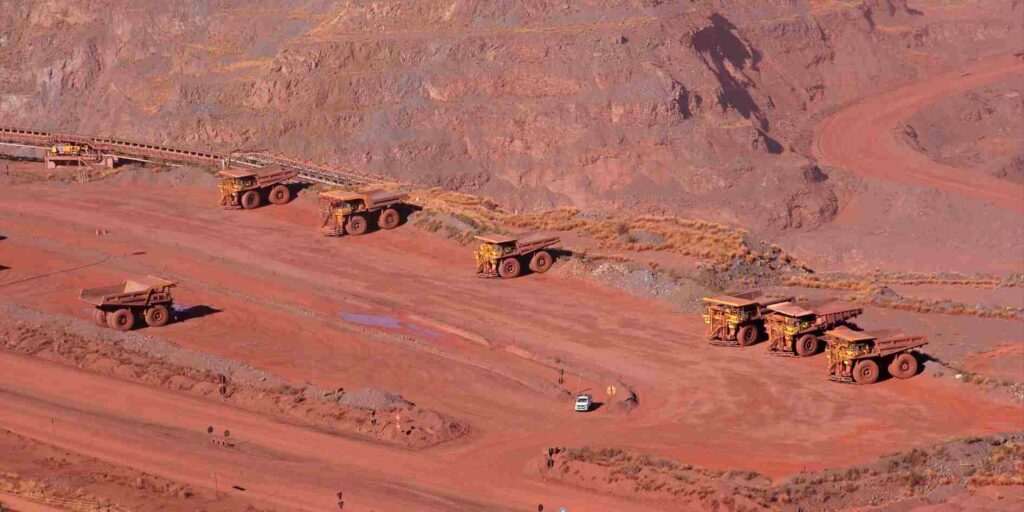
Australian material — primarily from Rio Tinto and BHP — is known for its consistency, clean chemistry, and reliable supply. High-grade Pilbara Blend Fines are the global reference material. Freight advantage to Asian buyers versus Brazil.
Brazilian Iron Ore (Carajás region)
Carajás iron ore from Vale has exceptionally high iron content (65%+ Fe) and very low impurities. It commands a significant premium and is particularly valued in China. Longer freight time from Brazil to the Middle East.
Indian Iron Ore
Indian ore is widely used by mills in South Asia and the Middle East due to proximity. However, quality variability is higher and export logistics can be inconsistent. It is the most price-competitive option for buyers in the region.
4. Spot vs Term Contracts — Getting the Balance Right
One of the most important strategic decisions in iron ore procurement is how to balance spot purchases with term supply agreements.
- Term contracts: Provide supply certainty and often better pricing for committed volumes. Essential for mills running at near-full capacity.
- Spot purchases: Allow buyers to capitalise on price dips but carry availability risk during demand surges.
- Recommended split: For most mid-sized mills, a 60-70% term / 30-40% spot split provides the right balance of security and flexibility.
5. Managing Quality Risk with Proper Inspection
Iron ore quality can vary significantly even within the same shipment. The most effective risk management tools are:
- Pre-shipment sampling by accredited inspectors (SGS, Intertek, Bureau Veritas) at the loading port
- On-arrival sampling at the discharge port to verify cargo matches the specification
- Clear contractual penalty clauses for shortfall in Fe content or excess alumina/silica
- Requesting historical test certificates from the same mine/batch before committing
6. Using a Dubai-Based Trader as Your Strategic Sourcing Partner
For many mid-sized steel manufacturers in the Middle East, Southeast Asia, and East Africa, working with an established Dubai-based iron ore trader offers clear advantages over direct sourcing from Australia, Brazil, or India.
- Access to consolidated smaller parcels without the minimum order volumes required by major miners
- Single point of accountability for logistics, documentation, and quality
- Market intelligence from a team active in daily trading across multiple origins
- Flexible payment terms and LC support that mining companies typically cannot offer
- Time-zone alignment for faster communication and decision-making
Noble FZE has established trading relationships with iron ore producers and exporters across India, South Africa, and Southeast Asia, allowing us to offer competitive pricing on iron ore fines, pellets, and concentrate to buyers in the Middle East and beyond.
Conclusion
Iron ore procurement is far more nuanced than simply finding the cheapest price per tonne. Grade selection, origin evaluation, contract structuring, and quality inspection are all critical components of a resilient supply chain strategy.
In 2025, with global steel demand growth driven by infrastructure investment across Asia and the Middle East, securing a dependable iron ore supply at the right specification has never been more important. Partnering with an experienced commodity trader in Dubai gives you the access, agility, and accountability that direct sourcing often cannot deliver.